

Connectivity is now fundamental to care delivery. Without it, rural patients and providers cannot access electronic health records, participate in telehealth, or use remote monitoring tools, limiting the very innovations the program is designed to advance.
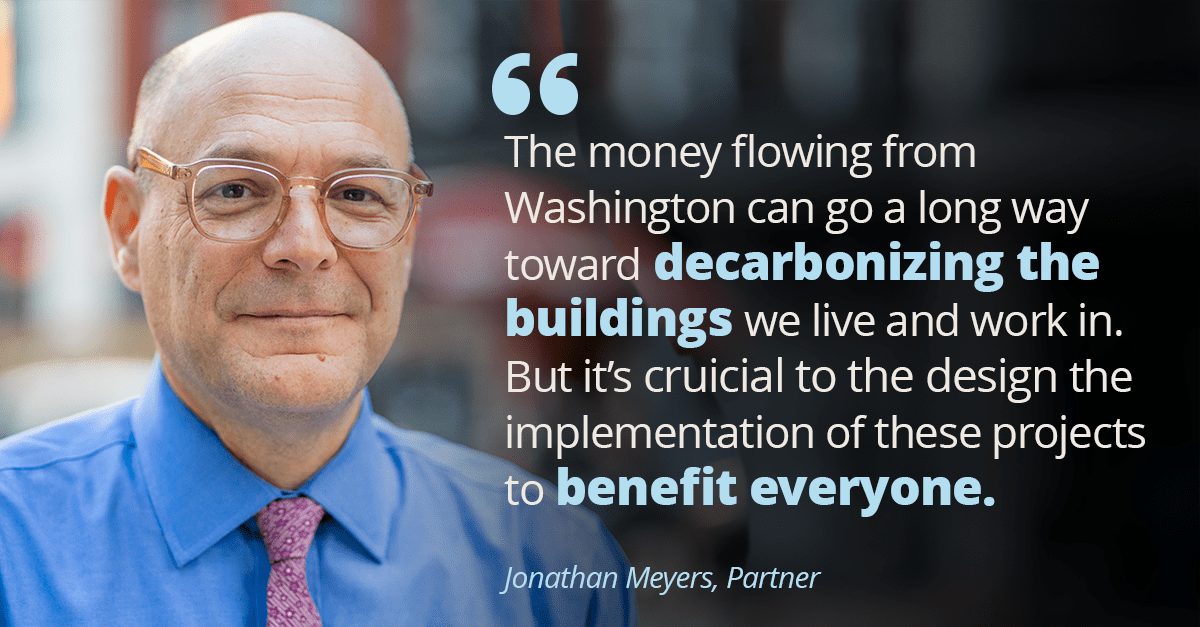
The Bipartisan Infrastructure Law and the Inflation Reduction Act will collectively invest tens of billions of dollars in our infrastructure and buildings. While the spending generated by these two federal laws will improve transportation, broadband and air quality while creating new industries around the country, perhaps the most concrete change for many of us will be related to the carbon footprint of the places where we live, work and spend our leisure time.
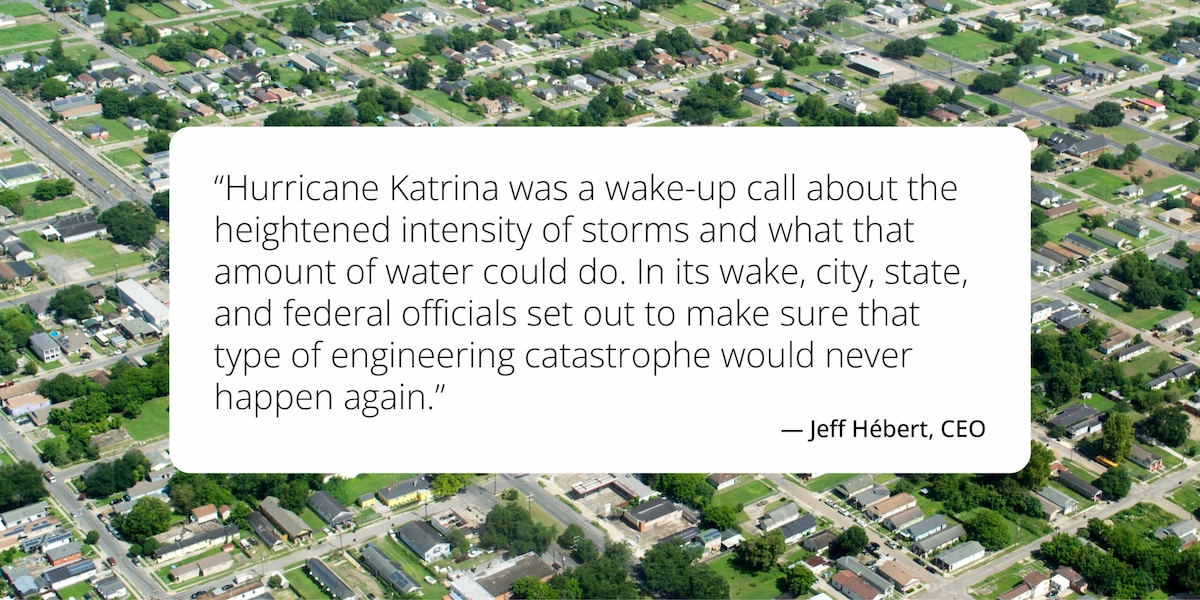
HR&A Advisors CEO Jeff Hébert, who served as New Orleans’ first Chief Resilience Officer from 2012 to 2017, shared his thoughts in this recent Smart Cities Dive article, which traces New Orleans’ centuries-long battle against flooding and hurricanes, from its first levees in the 1700s to today’s multi-billion-dollar storm protection systems. Nearly 20 years after Hurricane Katrina, New Orleans continues to grapple with the challenges of climate change, sea level rise, and subsidence.
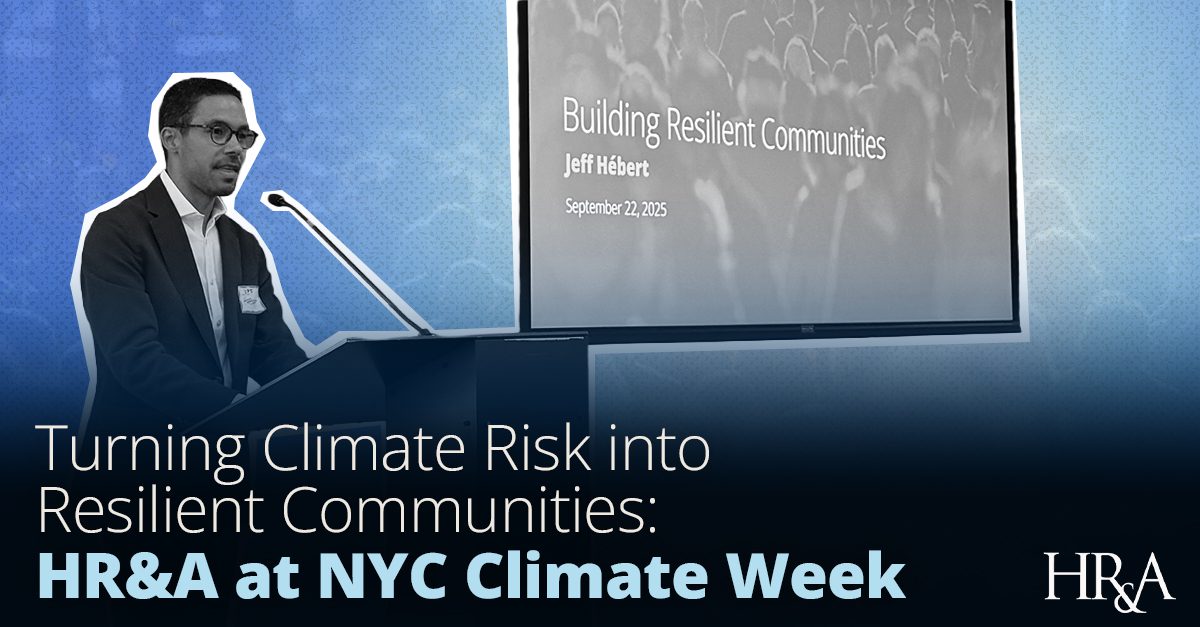
In celebration of NYC Climate Week, HR&A CEO Jeff Hébert joined the Adaptation Forum, hosted by The Resiliency Company, for a lightning talk alongside Daniel Kaniewski of Marsh McLennan and Janika McFeely of JLL to explore the question: how do we turn climate risk into resilient communities? The discussion underscored the urgent need to move beyond understanding risk toward building resilience in ways that strengthen communities, markets, and infrastructure.

As cities face growing climate risks, what does long-term adaptation really look like? HR&A CEO Jeff Hébert joined Ten Across to discuss community recovery and resilience on the 20th anniversary of Hurricane Katrina.

HR&A developed a comprehensive strategy enabling Con Edison to significantly scale its energy efficiency investments in low- and moderate-income (LMI) multifamily housing across New York City and Westchester County. Our work delivered both immediate tactical tools to meet near-term targets and a 10-year strategic plan that positions Con Edison to achieve climate goals while directing benefits to underserved communities.
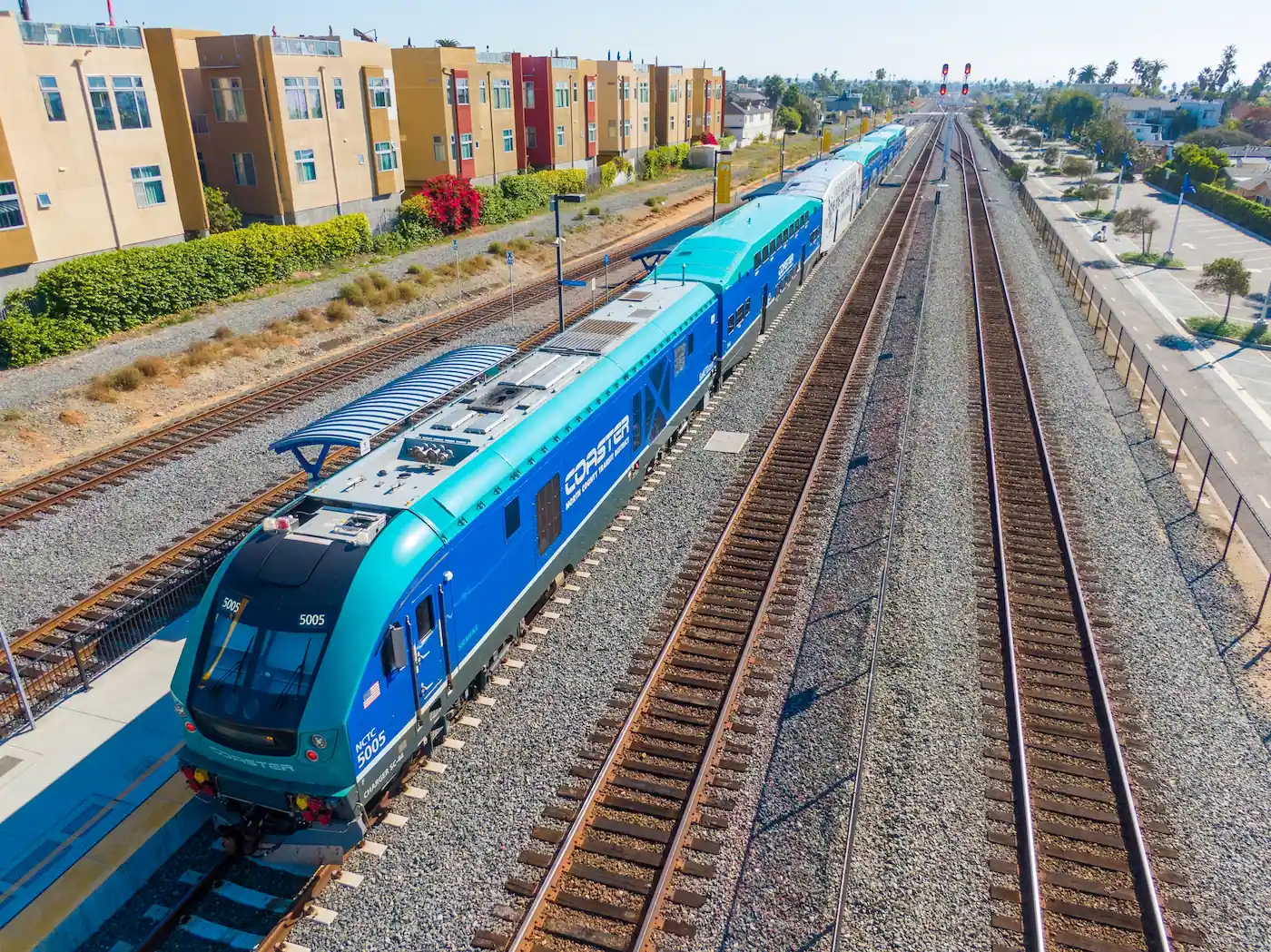
HR&A evaluated land value capture mechanisms for the San Diego Association of Governments (SANDAG), delivering a comprehensive implementation strategy and dynamic assessment tool to generate sustainable revenue for SANDAG's Regional Infrastructure Plan. Our work included financial modeling for two priority transit projects and produced an actionable roadmap that helps SANDAG and local partner agencies leverage value capture opportunities to fund critical infrastructure while supporting increased housing supply throughout the region.
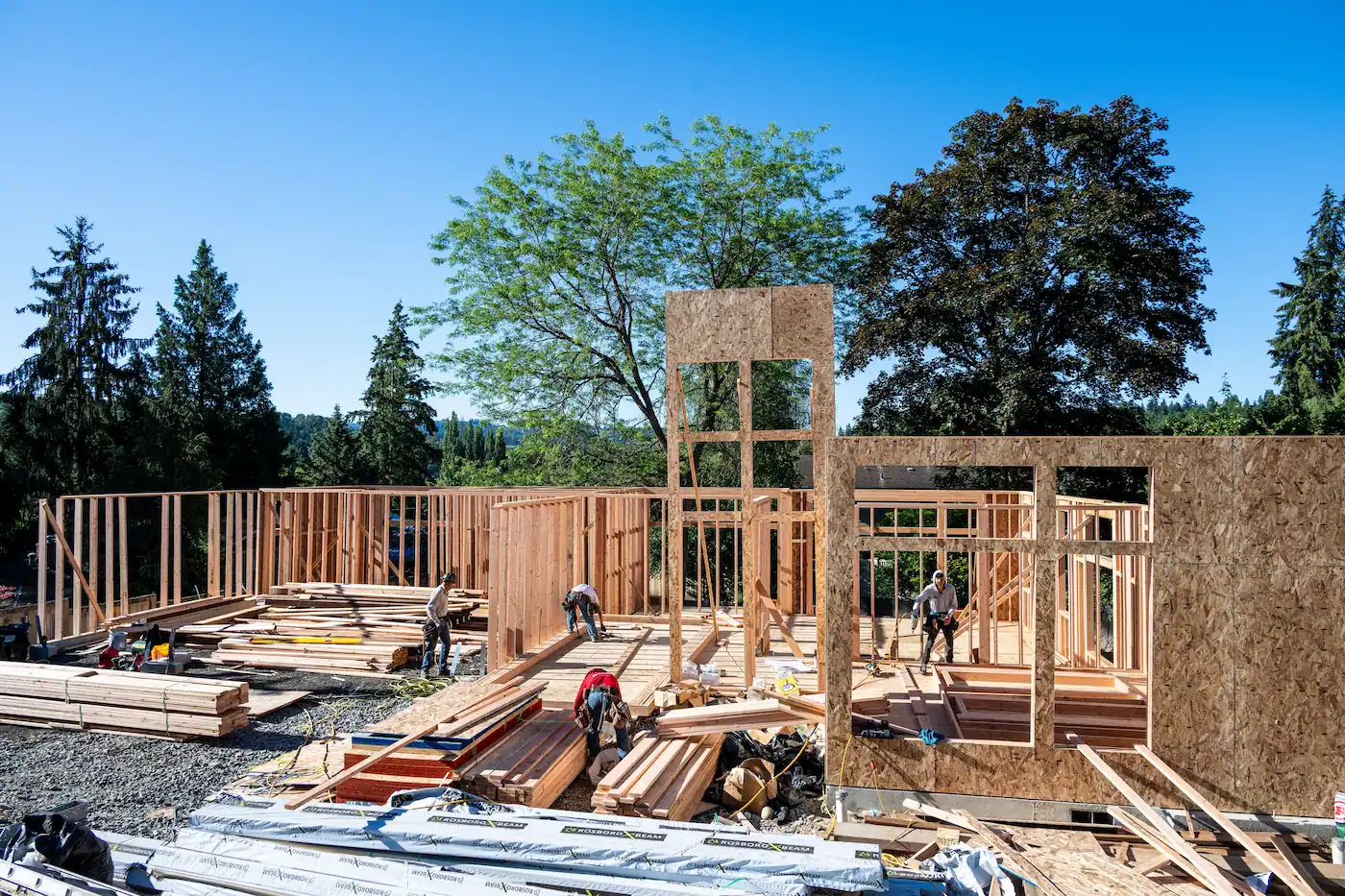
HR&A conducted a comprehensive evaluation for Imagine Housing analyzing the impacts of Bellevue, Washington's C-1 zoning overlay, which provides density bonuses for affordable housing development on nonprofit, religious, and public land. Following the legislative changes, Imagine Housing, a nonprofit affordable housing developer, sought to understand the impacts of the C-1 overlay district on affordable housing production in Bellevue and the potential scale of new home production if it were to be taken up by other Eastside communities. Through market analysis, parcel identification, and financial feasibility modeling, HR&A created development scenarios for prototypical sites and recommended strategies to leverage innovative funding sources. This work provided Imagine Housing with actionable insights to expand affordable housing production across Eastside communities.
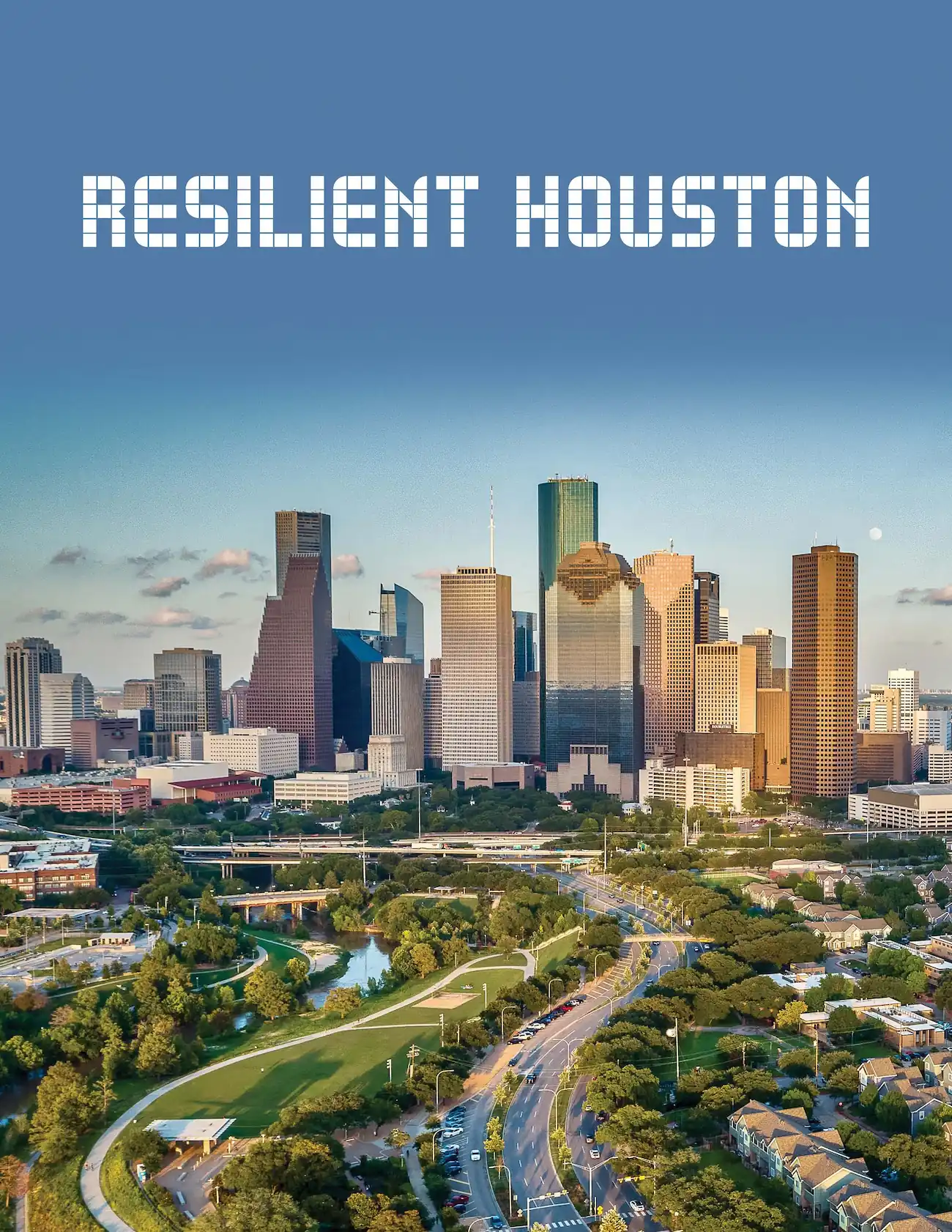
HR&A collaborated with 100 Resilient Cities and Houston's Chief Resilience Officer to develop the city's comprehensive Resilience Strategy, addressing critical challenges including stormwater management, urban heat mitigation, and equitable economic development. Working alongside the Water Institute of the Gulf, Asakura Robinson, the Kinder Institute for Urban Research, and the Rockefeller Foundation, we contributed to a strategy that earned the Gold Planning Achievement Award for Resilience from the Texas Chapter of the American Planning Association.
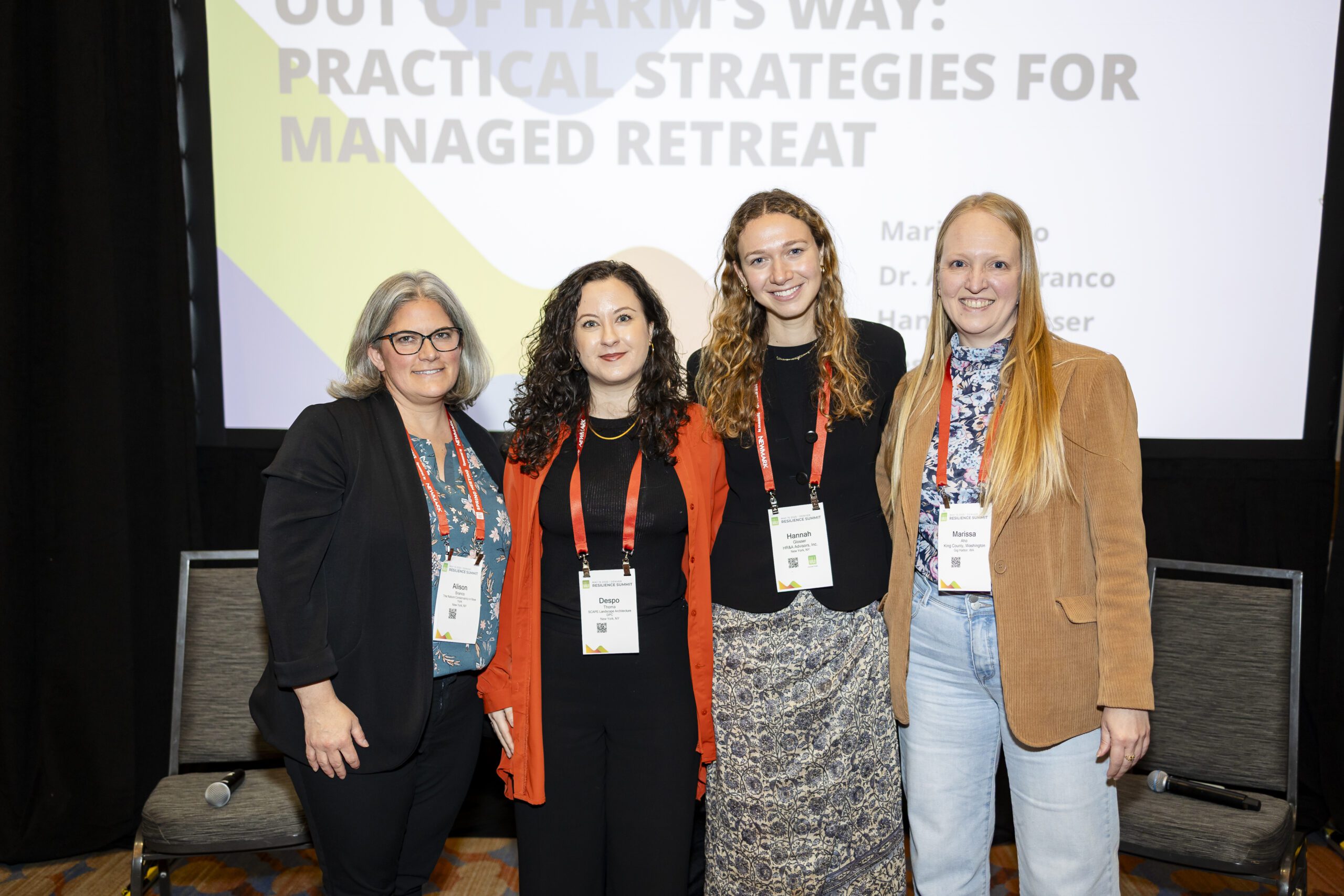
We’re thrilled to see Hannah Glosser, Director at HR&A Advisors, was featured in SmartCitiesDive for her insights during the Urban Land Institute’s Resilience Summit. In the article “Reimagining ‘Managed Retreat’ in a New Reality,” Hannah discusses the increasingly urgent, and complex, issue of managed retreat in the face of climate change.

This opinion piece by Eric Rothman, Ignacio Montojo, Hayley Prim was originally published in the Gotham Gazette.
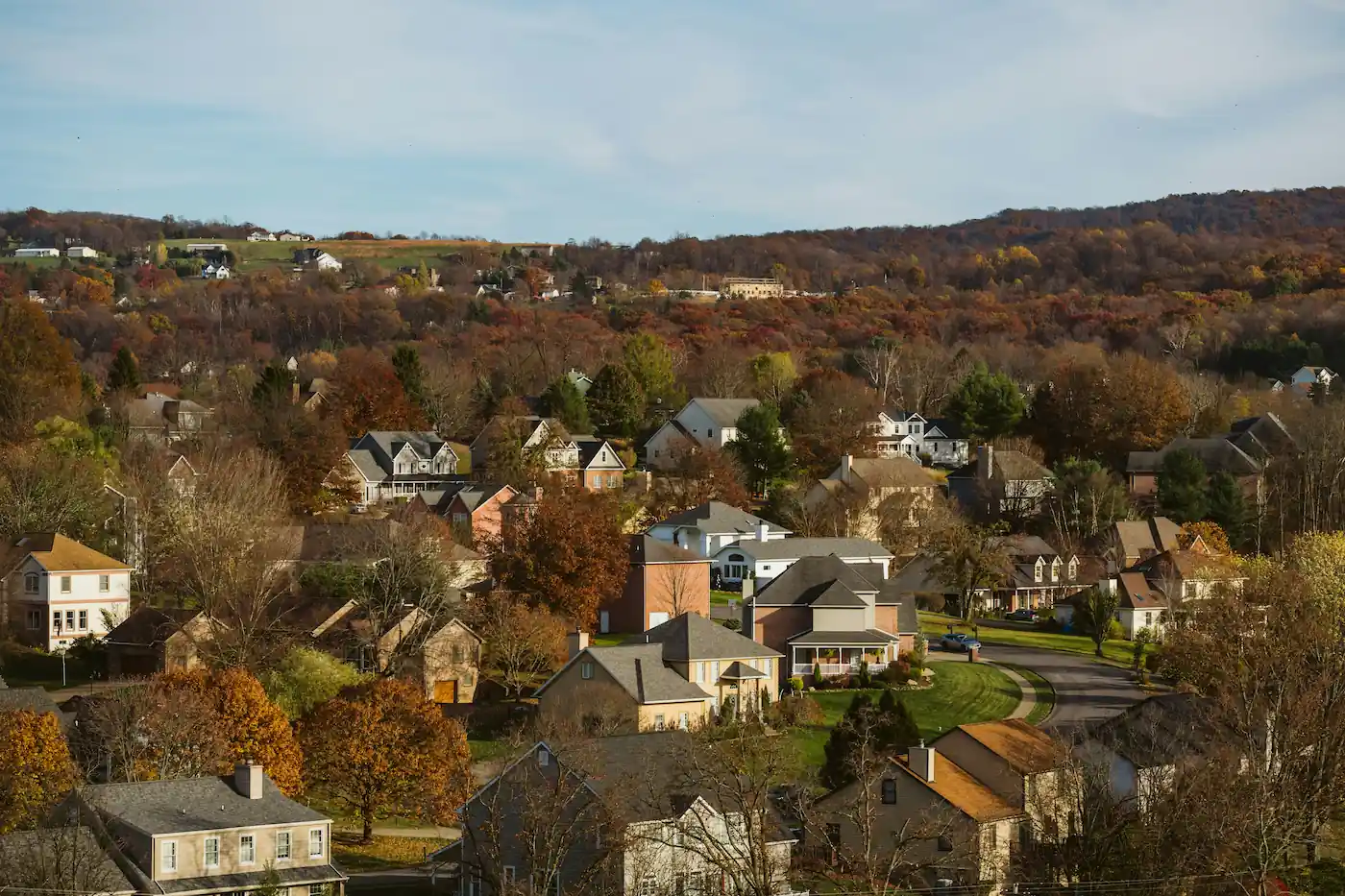
HR&A prepared the Syracuse region to absorb housing demand from Micron's $100 billion chip plant—the largest private investment in New York State history—through comprehensive market analysis across six counties that identified optimal growth areas and recommended strategies ensuring this transformative investment strengthens communities rather than creating displacement.

HR&A Advisors is co-leading Pittsburgh's first citywide comprehensive plan, a two-year initiative establishing policies that will guide how the city will grow and change through 2050. Working closely with the Department of City Planning and a team of local and national partners, we are helping Pittsburgh set clear goals for housing, jobs, transportation, land use, and climate resilience.

HR&A developed a roadmap for Uber Technologies to help New York City meet Mayor Adam’s Administration’s goal for zero emissions by 2030 for for-hire vehicles through coordinated infrastructure expansion. Our assessment revealed critical charging gaps and produced ten strategic recommendations uniting the City, utilities, charging companies, and mission-driven landowners to ensure equitable driver access.

HR&A's benefits analysis for climate adaptation investments in Alexandria, Egypt informed the Government of Alexandria's presentation at COP 27 in November 2022. Working with the World Bank City Resilience Program, we evaluated and prioritized planned adaptation projects, estimating capital and operating costs alongside fiscal, economic, social, and environmental benefits to guide strategic climate investment decisions.
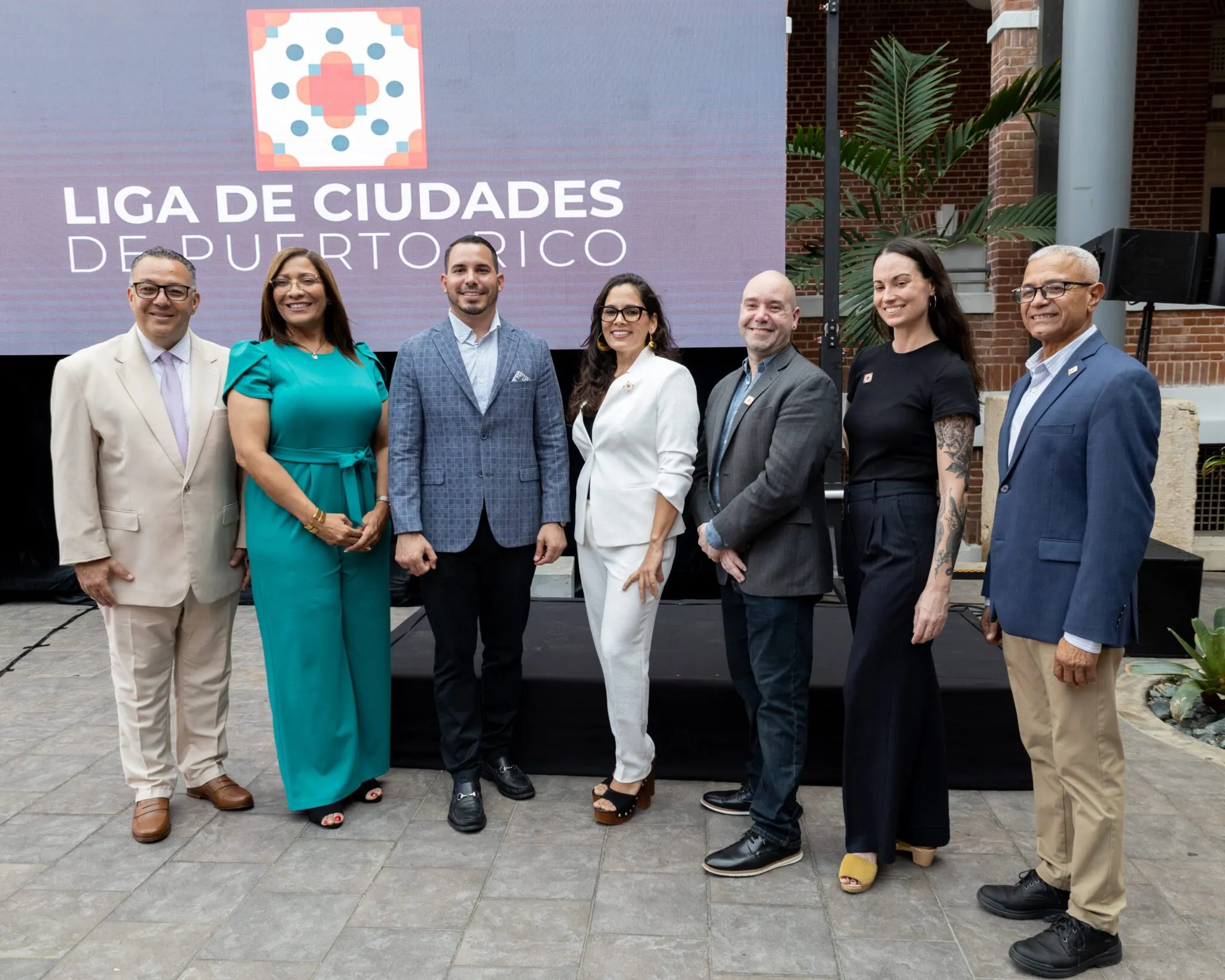
HR&A played a pivotal role in the launch and development of La Liga, a nonpartisan groundbreaking network uniting mayors across Puerto Rico to drive coordinated, long-term recovery and resilience. Working with the Center for a New Economy, the Ford Foundation, and the Open Society Foundations, HR&A shaped La Liga’s structure, leadership, and strategy—creating a platform for cross-party municipal collaboration in the aftermath of Hurricane Maria.

HR&A Advisors guided the Brooklyn Bridge Park Development Corporation through a comprehensive predevelopment planning process that transformed 85 acres of vacant, post-industrial piers into one of New York City's premier waterfront destinations. By creating an innovative self-sustaining funding model and facilitating complex stakeholder engagement, HR&A broke a 20-year implementation stalemate, enabling the award-winning Michael Van Valkenburgh-designed park to move from vision to reality.

HR&A provided strategic support to the Transportation Electrification Partnership (TEP), managing this unprecedented collaboration of stakeholders to accelerate zero emissions transportation ahead of the 2028 Olympics. Our work produced a $150 billion federal stimulus proposal that helped inform the Infrastructure Investment and Jobs Act, with economic analysis showing potential for 1.4 million jobs nationwide.
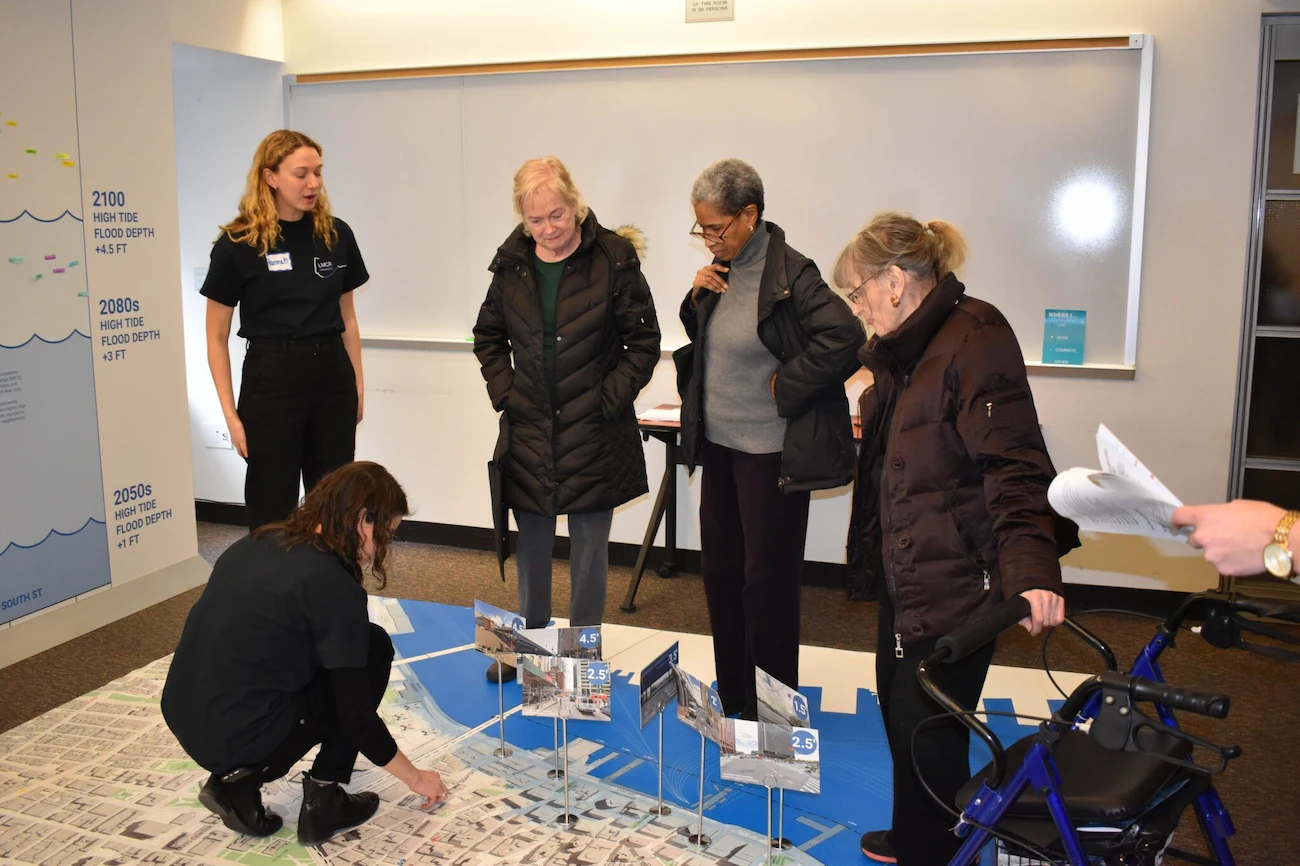
The New York City Mayor’s Office of Recovery and Resiliency and the New York City Economic Development Corporation engaged HR&A to develop a strategic plan for Lower Manhattan as part of the Lower Manhattan Coastal Resiliency Project following Superstorm Sandy. Our work led to capital projects with over $1.7 billion in committed funds, as well as the innovative FiDi and Seaport Climate Resilience Plan.
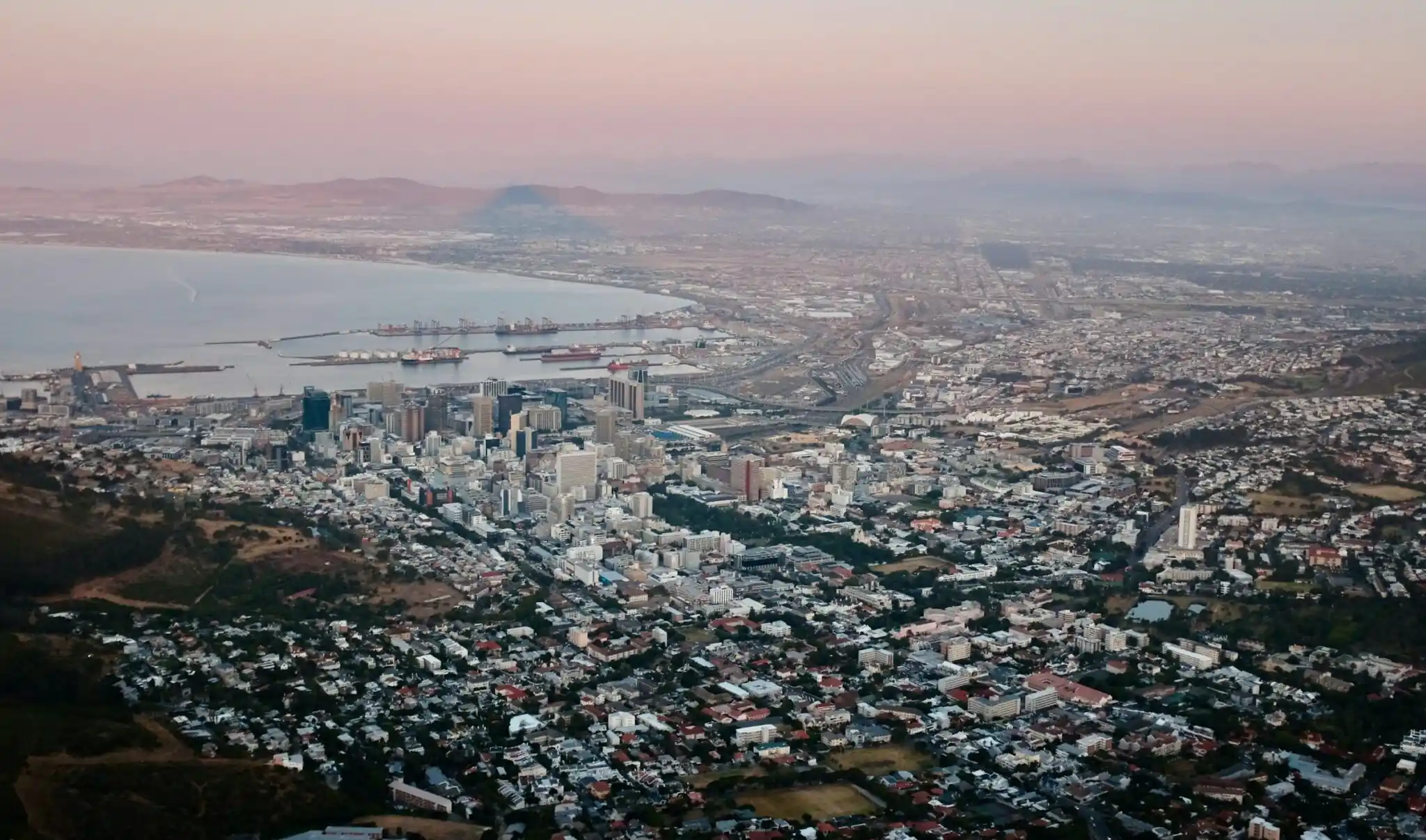
As part of an engagement with the World Bank Cities Resilience Program and the National Treasury of South Africa, and in partnership with local public policy consulting firm PDG, HR&A helped seven South African metropolitan governments advance a suite of nine resilient infrastructure and renewable energy projects, including stormwater management, river catchment rehabilitation, energy storage, and waste management.

HR&A supported the New York City Mayor’s Office of Climate and Environmental Justice (MOCEJ) to develop the AdaptNYC initiative, including a Climate Adaptation Roadmap, a led a multi-disciplinary team to summarize and forecast climate impacts to New Yorkers through 2100, including how particular hazards (extreme heat, extreme storms, chronic flooding) will impact people’s health, homes, mobility, economy, culture, and community. The work addressed systemic and institutional racism disproportionately impacting New Yorkers of color.

Since 2020, HR&A has supported Con Edison’s strategy for incentivizing building decarbonization throughout New York City and Westchester County. Leveraging our deep experience in New York City real estate and our quantitative modeling capabilities, we are helping Con Edison achieve the ambitious goals of New York State’s Climate Leadership and Community Protection Act (CLCPA), which commits the State to reducing greenhouse gas emissions by 85% by 2050.
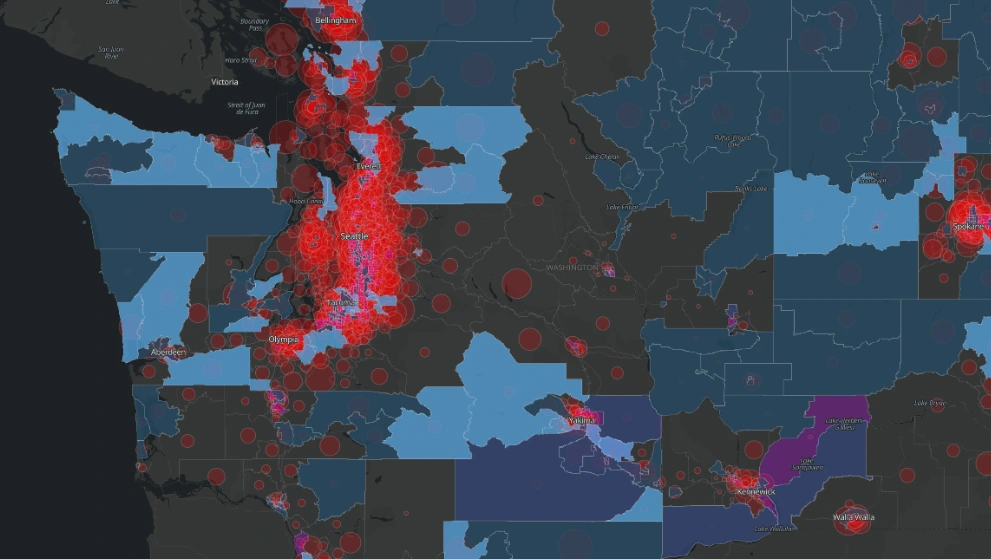
The State of Washington engaged HR&A Advisors to conduct a Needs Assessment for Equitable Energy Assistance to better serve thousands of low-income households that face high energy costs and unhealthy living conditions at home. HR&A presented 15 recommendations and a roadmap to achieve equitable decarbonization by 2050, informed by voices of environmentally burdened communities across the state.
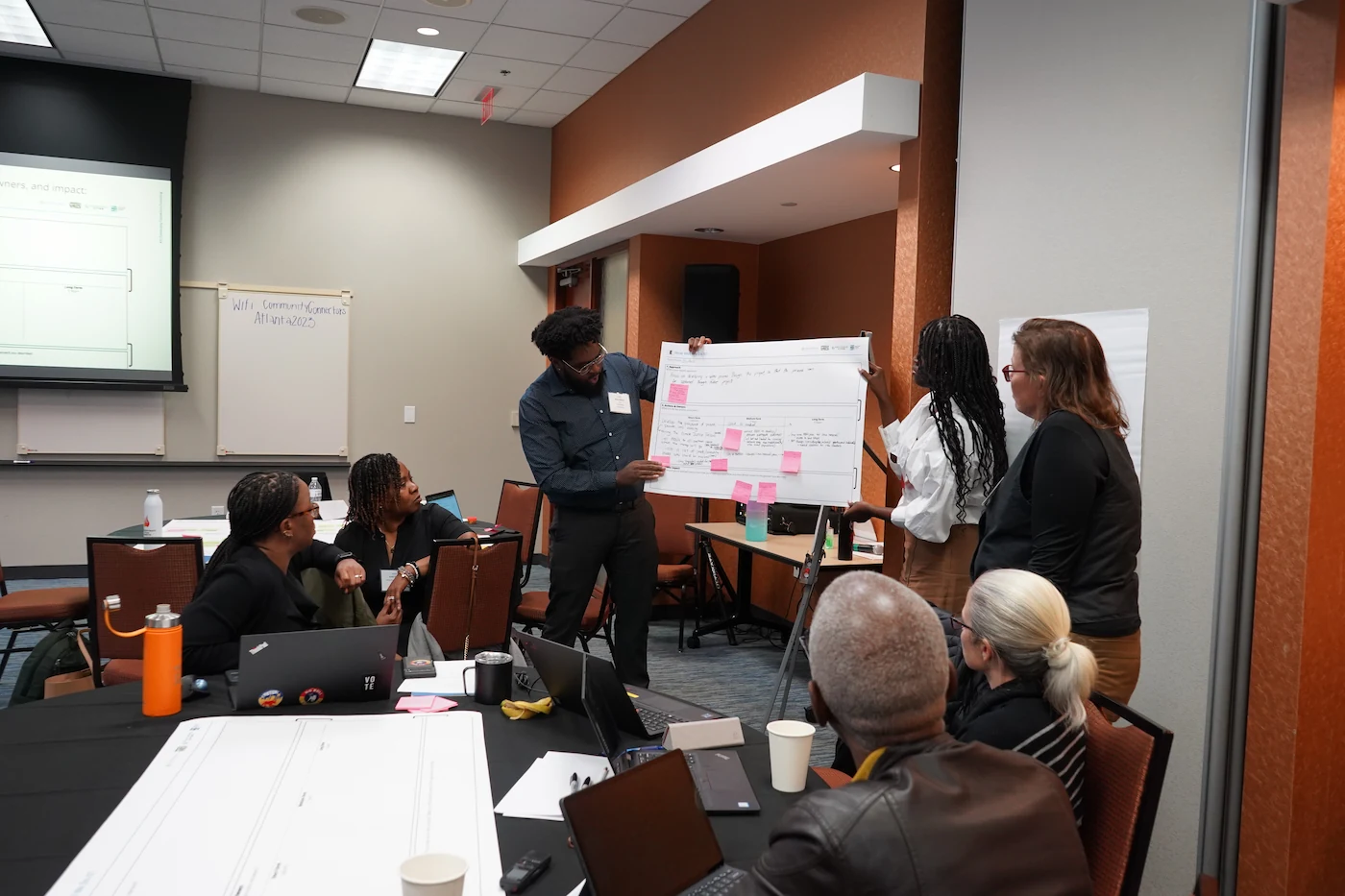
HR&A supported the New Urban Mobility Alliance (NUMO) to leverage the historic influx of federal infrastructure funding as an opportunity to champion a paradigm shift in how communities approach infrastructure investment. As part of this effort, HR&A supported 15 cities to design projects that reconnect communities, led workshops on measuring and mitigating displacement, and developed the Good Start Toolkit, which offers guidance for working with communities on similar efforts across the country.
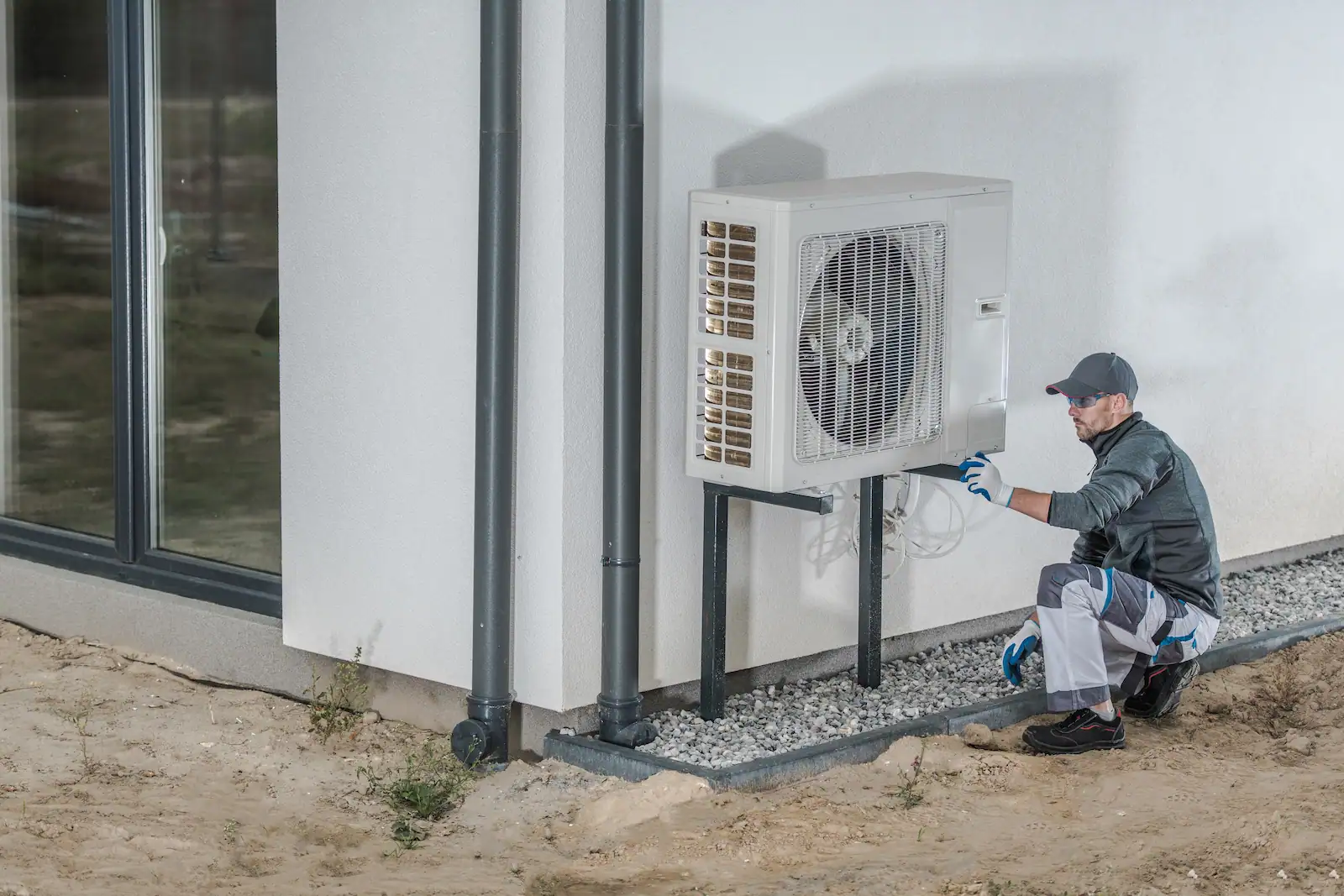
As part of the Residential Retrofits for Energy Equity (R2E2) partnership, HR&A is providing training and capacity building assistance for awardees of the U.S. Department of Energy’s Buildings Upgrade Prize (Buildings UP). Separate from this work, R2E2 provides technical assistance to state and local governments, community-based organizations, and other entities to jumpstart energy retrofit programs for both single family and multifamily low- to moderate-income housing (“LMI” housing), especially in frontline communities.

The Long Island City northern waterfront currently hosts the Ravenswood Generating Station, the largest fossil fuel plant in New York City, providing over 20% of the City’s local power capacity. After Rise Light & Power committed to transforming it into a renewable energy hub, the Office of the Queens Borough President brought on HR&A to lead “Reimagine Ravenswood,” a community-driven site reuse, neighborhood improvement, and workforce development planning process to guide a just transition to an inclusive clean energy economy in western Queens.

HR&A supported the Mayor's Office of Climate and Environmental Justice and the Office of the Comptroller to develop Public Solar NYC, the city's first public solar program for low-to-moderate income residents. Our comprehensive feasibility analysis, program design, and grant application support helped secure $250 million in federal funding, establishing a transformative solar program that addresses equity barriers in NYC's clean energy transition.

HR&A has supported the Los Angeles Cleantech Incubator (LACI) since 2017 to drive investment and strategic partnerships across Los Angeles County toward its ambitious goal of creating 600,000 green jobs by 2050. Our comprehensive work has included conducting foundational research to quantify the region's green economy, providing strategic support for transportation electrification initiatives that informed federal infrastructure investments, and facilitating regional workforce development partnerships to ensure Los Angeles has the skilled labor force necessary to capitalize on historic cleantech investments and achieve its decarbonization objectives.

HR&A has supported the Los Angeles Cleantech Incubator (LACI) since 2017 to drive investment and strategic partnerships across Los Angeles County to realize its goal of reaching 600,000 green jobs by 2050. HR&A’s collaboration with LACI began with a Green Jobs Study to quantify and characterize the green economy in Los Angeles County, essential for setting workforce goals and strategies.
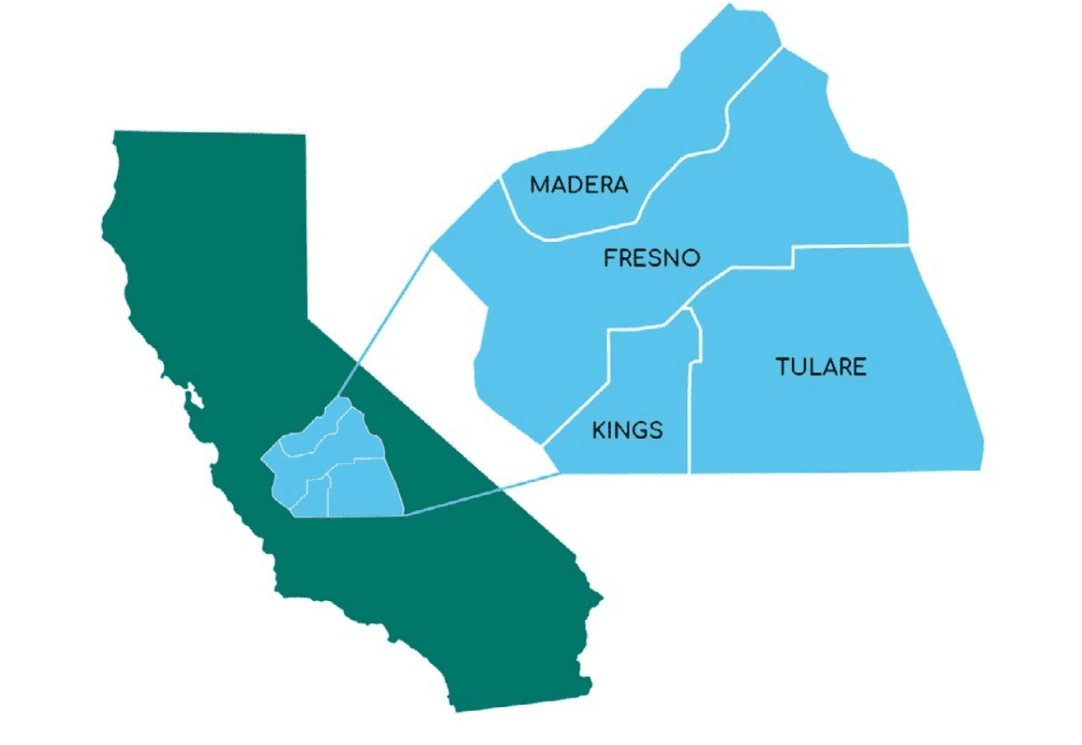
HR&A supported the Central Valley Community Foundation (CVCF) in its Spring Sprint to prepare a Regional Investment Plan for the Sierra San Joaquin Valley as part of California’s Jobs First initiative. The region, comprised of Fresno, Madera, Tulare, and Kings counties, is expected to generate a disproportionate share of California’s renewable energy needs and required a community benefits framework to ensure that future private investments will benefit local residents and advance equity.

