
NYC EV Infrastructure Assessment For Hired Vehicles
HR&A developed a roadmap for Uber Technologies to help New York City meet Mayor Adam’s Administration’s goal for zero emissions by 2030 for for-hire vehicles through coordinated infrastructure expansion. Our assessment revealed critical charging gaps and produced ten strategic recommendations uniting the City, utilities, charging companies, and mission-driven landowners to ensure equitable driver access.
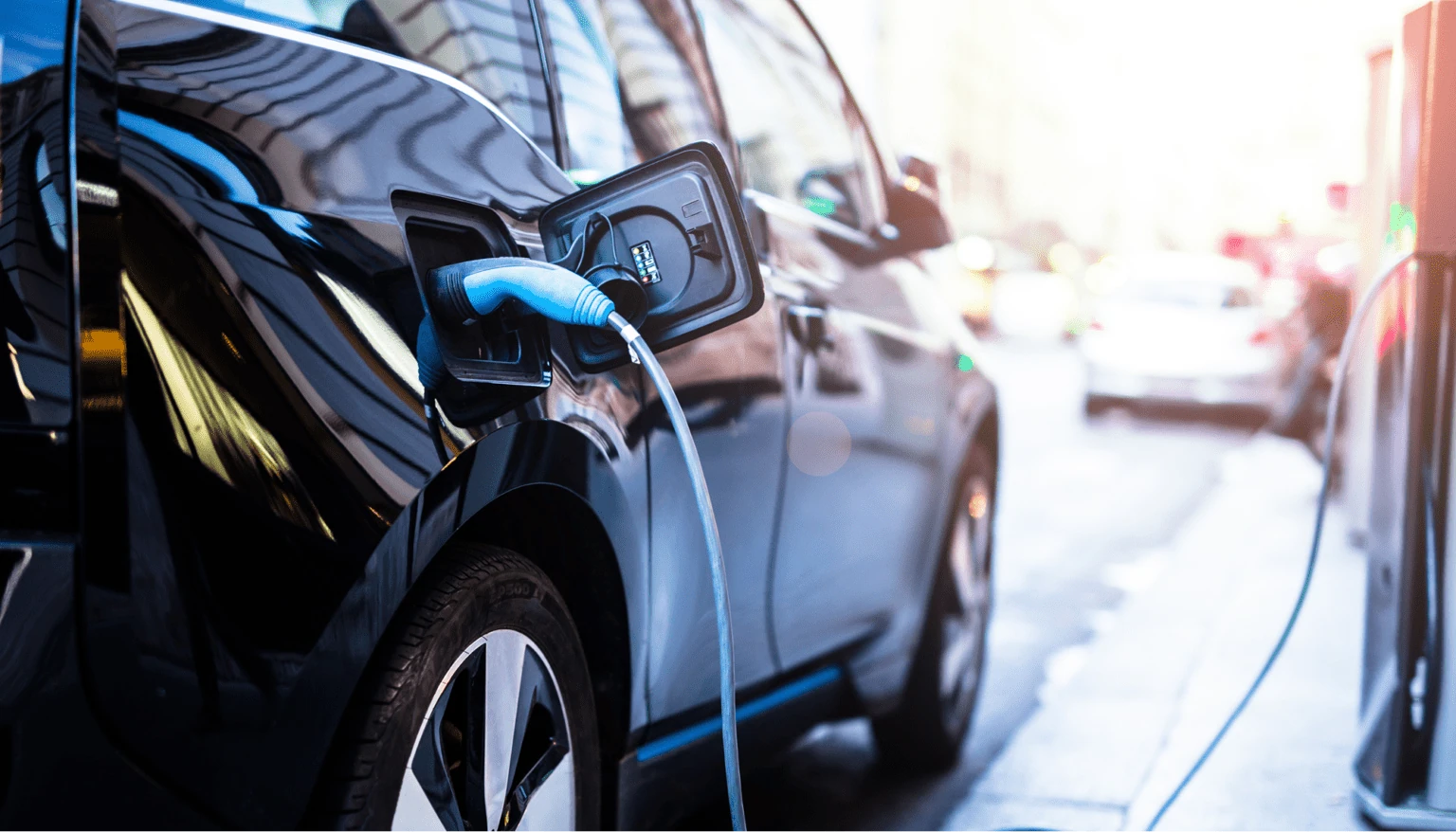
New York City’s ambitious 2030 zero emissions goal for for-hire vehicles requires understanding current charging infrastructure capacity and identifying barriers preventing widespread electric vehicle adoption among taxi and ride-share drivers. HR&A’s comprehensive analysis examined the availability and accessibility of existing charging infrastructure, particularly for drivers who often lack personal parking space and depend on public charging networks. We evaluated geographic distribution of charging stations relative to where for-hire drivers live and work, assessed grid capacity constraints, and analyzed affordability challenges that could hinder equitable transition to electric vehicles.
The resulting framework provides actionable pathways through coordinated public-private collaboration. Recommendations address immediate needs by prioritizing high-need neighborhoods for low-cost fast chargers, working with utilities to identify areas with existing grid capacity, streamlining permit processes, leveraging public and faith-based real estate assets, and developing land use incentives. Additional strategies focus on driver support through targeted outreach, improved pricing transparency, and more affordable electricity pricing structures. This roadmap positions New York City to overcome infrastructure barriers while ensuring the transition to electric for-hire vehicles advances environmental goals without creating additional burdens for drivers or underserved communities.