

Kate works at the intersection of tech and city building, helping clients build places that spark innovation, foster resilient workforces, and deliver infrastructure to make today’s cities ready for tomorrow’s opportunities.
Kate guides diverse clients in building tech ecosystems through strategic real estate development, workforce programs, and infrastructure investments, providing advisory services, impact assessments, and policy development across cities like Pittsburgh, Houston, New York, CIncinnati, Nashville, Providence, DC, Baltimore and Chicago Her work is informed by a corporate real estate background managing over 20 million square feet of diverse properties alongside academic expertise teaching tech and city building at Columbia University. Kate applies a comprehensive approach to tackling urban development challenges that integrates economic analysis, policy development, and strategic planning to ensure technology investments create inclusive economic opportunities while strengthening communities.
Kate specializes in helping local governments, developers, universities, and businesses create innovation districts and ecosystems— not just the physical spaces where innovation happens but also the programmatic elements that will catalyze the commercialization of new ideas. Her real estate advisory work spans leading institutions, including Carnegie Mellon University, Rice University, Vanderbilt, Columbia, Cornell Tech, and the University of Cincinnati, as well as health systems like Advocate Health and Northwestern Memorial. This work often involves transforming underutilized urban sites into catalytic destinations serving both economic and community goals. In cities across the US, including Pittsburgh, Houston, New York, Nashville and Providence, and Cincinnati, Kate has developed frameworks integrating real estate, workforce, and infrastructure investments to foster sustainable growth in tech industries.
Kate’s tech public policy focuses on how technology influences how we live and work in cities, structuring policy to amplify and improve new innovations for the public good. She has established industry-standard methodologies for measuring technology’s transformative impact on urban economies, real estate, and talent development. Through her assessment of companies like Airbnb, Uber, Google, DoorDash, and WeWork, she has quantified how emerging business models create economic opportunities while affecting neighborhood dynamics, helping cities understand and respond to technological disruption.
Beyond tech, Kate brings the same analytical rigor to economic impact and incentive analyses across a wide range of industries. She has conducted studies for clients including ConEd, Ameren, Advocate Health, and Times Square, as well as the film, post-production, and home health industries — quantifying their economic contributions and informing the public incentive frameworks that support their growth.
Kate’s workforce strategies create pathways for inclusive economic participation across diverse populations by helping to set up incubators and accelerators, bringing in workforce development partners, and better connecting labor organizations with industry to expand job opportunities. For example, she developed strategic plans to enhance the City University of New York (CUNY) and LaGuardia Community College to advance their leadership in tech workforce development, and has worked closely with NYC EDC on initiatives connecting diverse New Yorkers to the city’s growing tech sector. Kate combines data analytics from tech ecosystem reports with strategic partnerships across Chicago, New York, Houston, Pittsburgh, DC, Nashville, and Baltimore to ensure diverse populations can access opportunities in growing technology sectors.
Kate develops city-wide and regional strategies for economic development that leverage innovation to drive regional transformation. She has developed comprehensive approaches for cities and regions, including Pittsburgh, Houston, Nashville, Baltimore, and Chicago, that integrate technology investments with broader economic development goals. Her work demonstrates how strategic planning can position regions to compete for major technology investments while building local capacity for sustained innovation-driven growth.
Kate earned a Master of Science in Real Estate Development from the Massachusetts Institute of Technology and a Bachelor of Arts in Urban Studies from the University of Pennsylvania.
- Member, Urban Land Institute
- Board member, Regional Plan Association
- Board member, Center for an Urban Future
- Board member, Beverly Willis Architecture Foundation
- Director of Corporate Real Estate for Sony
- Adjunct Professor at Columbia University
Projects

HR&A conducted a comprehensive economic and fiscal impact analysis for Cornell Tech, quantifying the institution's contributions to New York City's economy through campus construction, operations, student spending, and startup activity. The analysis showed that Cornell Tech generated $768 million in total economic impact and supported 2,800 jobs in FY 2022-2023, with projections showing growth to $1.5 billion in economic impact and 7,000 jobs by 2030, establishing the institution as one of the city's most effective economic development investments.
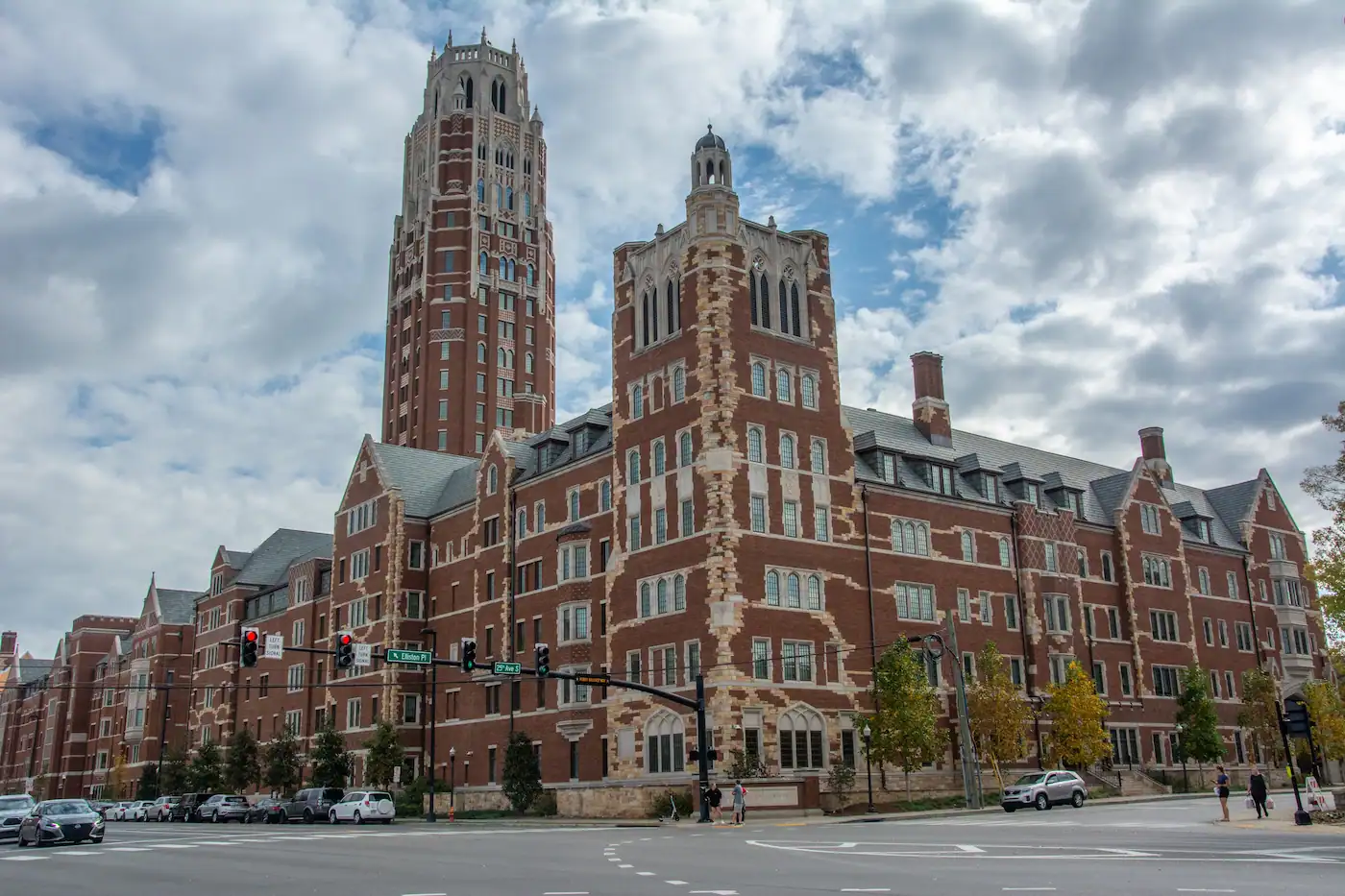
HR&A has guided Vanderbilt University since 2023 in its efforts to catalyze Nashville's innovation economy. Through real estate strategy, market and feasibility analysis, developer partnership selection, and project management support, we are helping Vanderbilt to transform approximately 40 acres of underutilized campus land into a dynamic mixed-use neighborhood with cutting-edge spaces for innovation. In addition, we supported the creation of the Nashville Innovation Alliance to strengthen cross-sector partnerships, accelerate research commercialization, and grow talent pipelines to cement the region’s role as a national hub for innovation and entrepreneurship.

HR&A conducted a comprehensive impact analysis for Airbnb, examining the effects of New York City's Local Law 18, which effectively banned most short-term rentals in September 2023. Through pre- and post-enforcement data analysis, HR&A demonstrated that the law significantly reduced short-term rental income for homeowners who relied on Airbnb rentals, reduced the net new economic activity that many Airbnb guests brought to the outer boroughs, and reduced the availability of accommodations for tourists – already in short supply.

HR&A developed the Kips Bay Science District Education and Workforce Vision Report for the New York City Economic Development Corporation (NYCEDC), that articulated the vision of the Kips Bay District as the center of New York City’s health and life sciences ecosystems. Leveraging NYCEDC's first-of-its-kind life sciences innovation, career, and education hub, the Science Park and Research Campus (SPARC), would develop the next generation of talent to support this ecosystem and anchor this District.
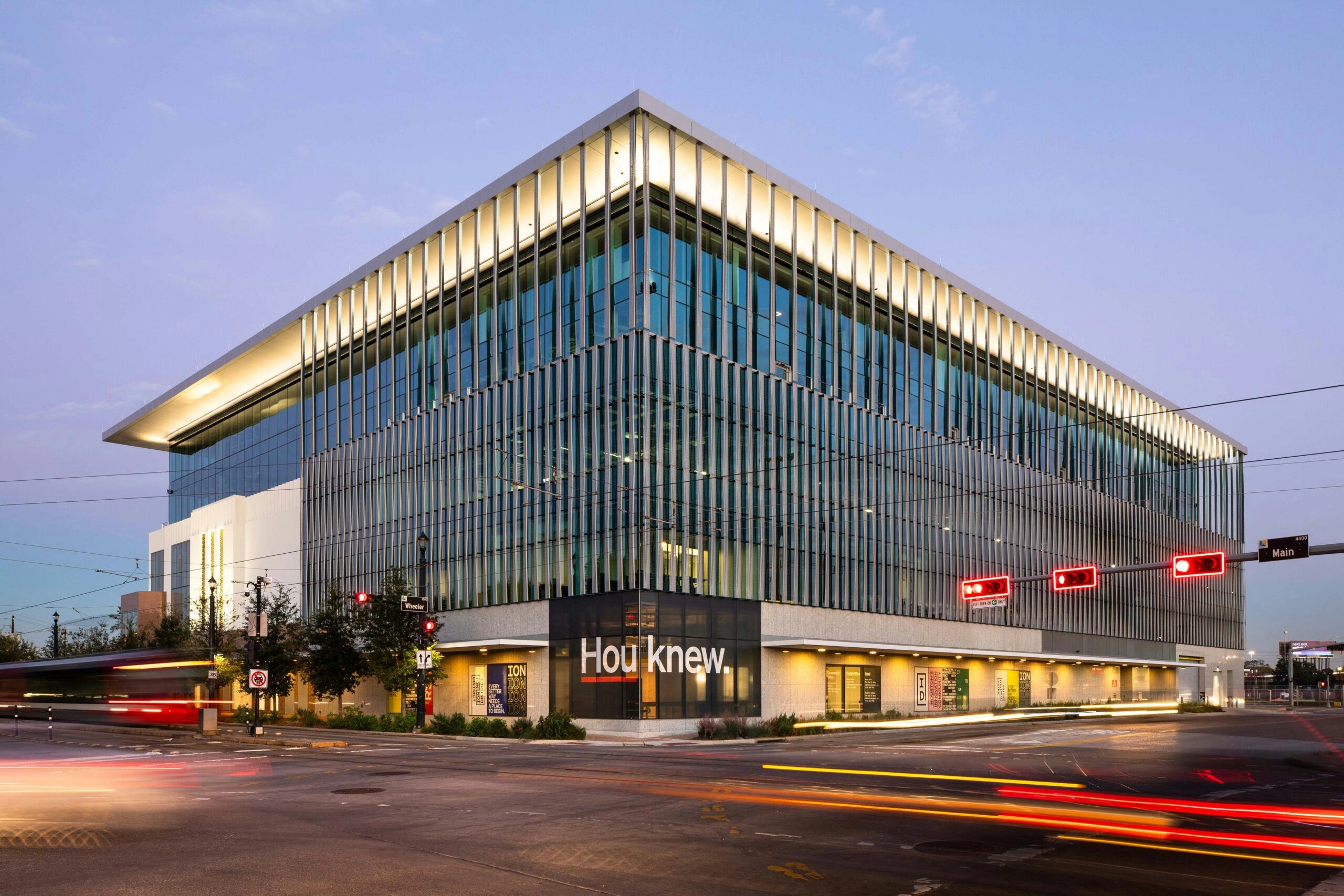
HR&A served as strategic partner and development advisor to Rice Management Company for The Ion and broader 16-acre Ion District in Houston, overseeing real estate and programmatic development. This comprehensive advisory role helped successfully transform a historic former Sears department store into a thriving innovation hub while laying the groundwork for a 3-5 million square foot mixed-use innovation district that fosters an inclusive tech ecosystem and creates equitable economic opportunities.

HR&A prepared the first comprehensive impact study for Empire AI, demonstrating how New York's state-of-the-art AI compute center is accelerating research and positioning the state as a national leader in responsible AI. Our economic analysis for Friends of Empire AI showed that the Alpha system has already supported more than 130 research projects, helping teams compress months of work into days through shared, world-class supercomputing.
